Treating Erectile Dysfunction - A Comprehensive Approach

According to the Cleveland Clinic, 40 percent of 40-year-old men experience erectile dysfunction; that number increases to 70 percent for 70-year-old men. Men who have diabetes, heart disease, or are taking certain medications have an even greater chance of erectile dysfunction (ED).
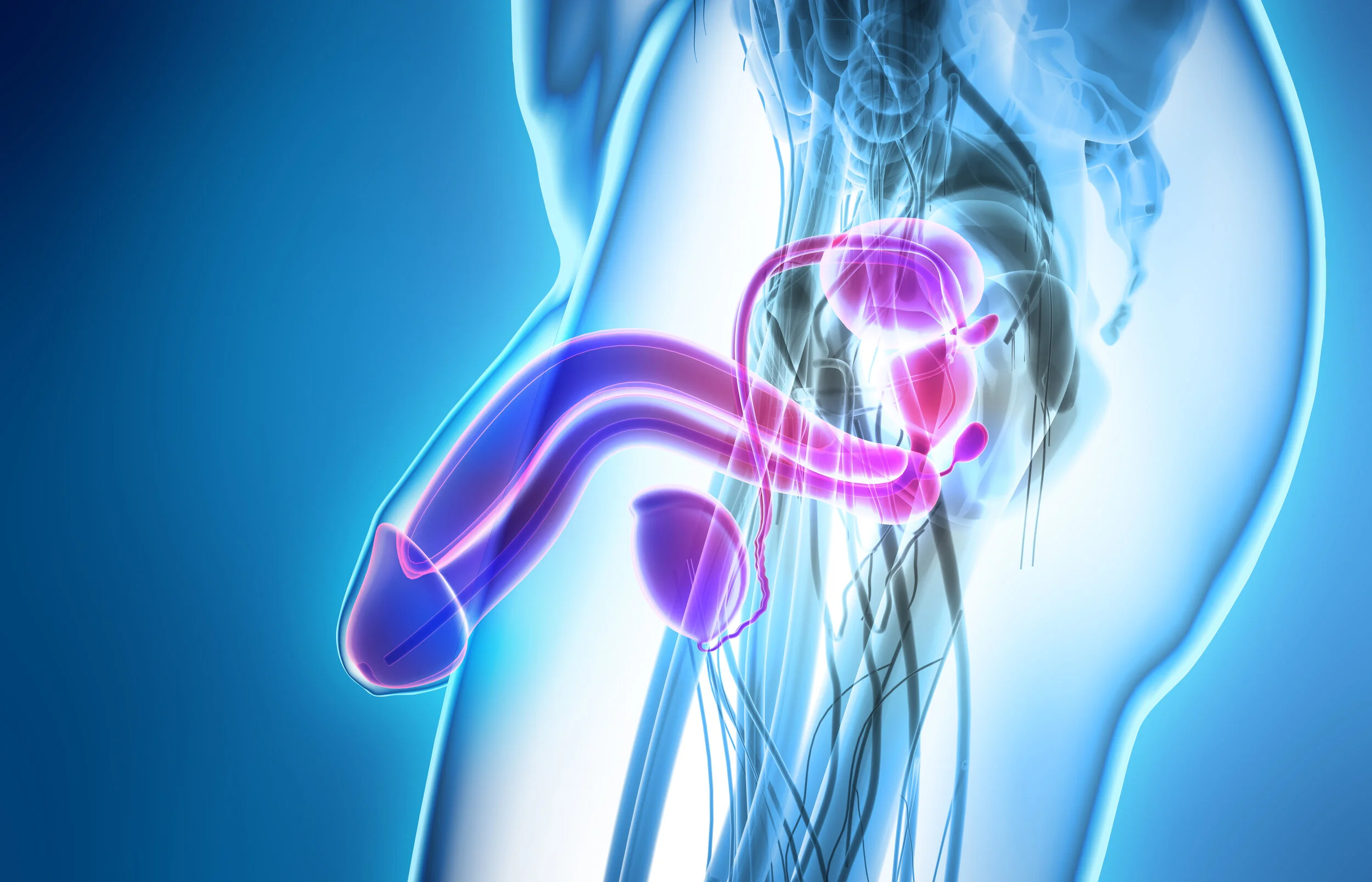
Erectile Dysfunction (ED) can be caused by several factors, including a decline in vascular function, corresponding diseases, reaction to medications, other physical ailments, emotional issues, and lifestyle choices. Because there can be so many contributing factors, Dr. Kate Kass believes it is critical to adopt a comprehensive approach to treating erectile dysfunction (ED).
Every Kass Precision Medicine patient who meets with our team to discuss erectile dysfunction receives a thorough assessment to determine the most effective path to healing. We believe that a multi-pronged approach is often most successful in treating erectile dysfunction (ED), so we evaluate each case of erectile dysfunction based on a four-pronged approach:
Obstacle Removal For ED
Pre-existing conditions, weight, lifestyle choices and mediation burden can all be contributing factors to erectile dysfunction (ED):
Improving cardiovascular health - the healthier the heart, the better the blood flow, the more consistent and reliable the erection. Cardiovascular health can be seen as the canary in the coal mine of erectile dysfunction. Addressing high blood pressure and heart disease is paramount.
Weight loss - being overweight or obese can increase the risk for erectile dysfunction (ED) by 30-90% compared to normal weight subjects.
Diabetes and Pre-diabetes - these are independent risk factors for erectile dysfunction (ED). ED occurs in 75% of men who have type 2 diabetes. Diabetes contributes to disease of the blood vessels, nerves and endocrine system.
Reducing medications where possible - common prescriptions - such as blood pressure medications and antidepressants - can contribute to erectile dysfunction (ED). Reducing or exchanging medications can be helpful when possible.
Implementing 160 minutes of exercise per week - this amount of moderate to intense cardiovascular exercise has been shown to improve erectile function. Elevate your heart rate - sweat - get out of breath. Walking around the block won’t cut it.
Low-glycemic, whole foods diet - this might not be glamorous but can be incredibly impactful. Good nutrition will help you lose weight, reduce inflammation, improve testosterone levels and cardiovascular health.
Hypothyroidism - this is commonly missed in men and can be a contributing factor to erectile dysfunction (ED).
KPM recommends a comprehensive lab to help identify individual obstacles and target treatment.
The Hormone Effect - Testosterone Replacement Considerations IN SEATTLE
For every patient complaining of erectile dysfunction (ED), we recommend comprehensive labs which help to identify some of the aforementioned conditions and can also help evaluate testosterone levels (see information at the end to learn more about specific labs that are recommended).
Testosterone can naturally decline with age, sometimes contributing to erectile dysfunction and loss of libido.
Patients experiencing erectile dysfunction (ED) may be simultaneously experiencing symptoms of the loss of testosterone including:
Fatigue
Loss of drive and motivation
The feeling of having “passed your peak”
Low desire or libido
Difficulty reaching orgasm or ejaculating
Loss of morning or nocturnal erections
Sleep challenges
Body composition changes
Mood changes
Low testosterone has been associated with erectile dysfunction (ED) and should be addressed in the appropriate patient in Seattle. It’s important to note however, that ED is a multi-variable condition and testosterone replacement on its own is not always the cure all. Kass Precision Medicine will evaluate the need for testosterone replacement and discuss the risks and benefits of testosterone therapy.
Visit our “The Role of Testosterone in ED” page to learn more about testosterone replacement therapy.
Medication FOR ERECTILE DYSFUNCTION
PDE5 inhibitors are the standard initial intervention for erectile dysfunction (ED). The most familiar medications of this class are Viagra, Cialis, Levitra* and Stendra*. These medications can often be helpful by perpetuating the effects of nitric oxide in the tissue - encouraging blood vessels and tissues in the penis to relax and engorge with blood longer. PDE5 inhibitors do not cause an erection alone - they still require physical and mental arousal. PDE5 inhibitors are typically taken by oral route 1-2 hours before sexual activity and, depending on the medication, can last between 12-36 hours.
* Sometimes we combine these oral medications together - such as a Viagra/Cialis tablet - or augment traditional PDE5s with alternative erectile enhancers like apomorphine.
KPM works with patients to understand the nuances and strategies of taking these oral medications and, for more challenging cases, might discuss “super charged” ED meds such as sublingual deliveries or intracavernosal injectables such as Alprostadil and Trimex.
A note on supplements and nitric oxide
The ability to generate nitric oxide becomes more impaired with age and, as a result, overall cardiovascular health - and sexual function - can be impacted. There are some well-evidenced studies suggesting that boosting nitric oxide can improve these conditions. Increased nitric oxide relaxes blood vessels, promoting arterial dilation and increased blood flow. There are several nitric oxide-boosting supplements available, including citrulline, arguline, beetroot, and hawthorne. We often recommend Neo40 - a third-party-tested natural supplement that stimulates the endothelial lining of the penile arteries to produce more nitric oxide, resulting in improved blood flow and perfusion to the vascular system. This specific supplement is backed by eleven published and peer-reviewed clinical trials, medical industry support that is atypical in the world of supplements.
Regenerative Treatments FOR IMPOTENCE
Because the majority of ED cases are caused by a decline in vascular function, employing treatments to help improve the number and function of blood vessels is highly effective. There are three regenerative options that consistently lead to improvement in erectile function.
Shockwave Therapy
Low-Intensity Shockwave (AKA GAINSWave Therapy), in which low-intensity shockwaves are employed, has proven in over forty published studies to address the four key challenges associated with vasculogenic erectile dysfunction:
Angiogenesis (neovascularization): Shockwave causes micro-stress in the penile tissues, upregulating growth factors such as VEGF, eNOS, and PCNA. These growth factors stimulate neovascularization, or the growth of new blood vessels in the penis.
Enhanced endothelial function: The endothelium is the inner lining of the blood vessel and is critical for creating erectile rigidity because it releases nitric oxide, the chemical that causes blood vessels to dilate and relax. Via growth factors and recruitment of stem and Progenitor cells, shockwave therapy appears to improve the function of the endothelium and the production of nitric oxide.
Neurogenic regeneration (potential nerve repair): May stimulate nerve tissue formation, improving sensitivity. Data on this mechanism is early and limited in humans.
Antifibrotic tissue and tissue remodeling effect: Chronic ED often involves fibrosis and reduced compliance (ability of the tissue to stretch and expand) of the penile tissue. There is some evidence that LiSWT may exert some antifibrotic effects in the penile tissue.
What to Expect:
Shockwave therapy is an in-office procedure that takes approximately 30-40 minutes.
We generally recommend 6-12 treatments of shockwave once every week.
Patients are offered a topical numbing agent for increased comfort, and the in-office procedure is generally painless.
There is no downtime following the procedure - in fact, patients are encouraged to maintain sexual activity throughout the course of their treatment.
Approximately half of patients will notice improvement during the course of their treatment - including increased blood flow to the penis and increased morning or nocturnal erections.
For most patients, enhancements may be subtle and gradual - they will continue to notice improvements even three months following the completion of their treatment.
After the recommended number of treatments in our Seattle office, most patients can expect firmer, better-quality erections, better responsiveness to medication (for those who take it), or for some, a decreased need - or lower dose - of medication.
The Technology Behind Shockwave Therapy
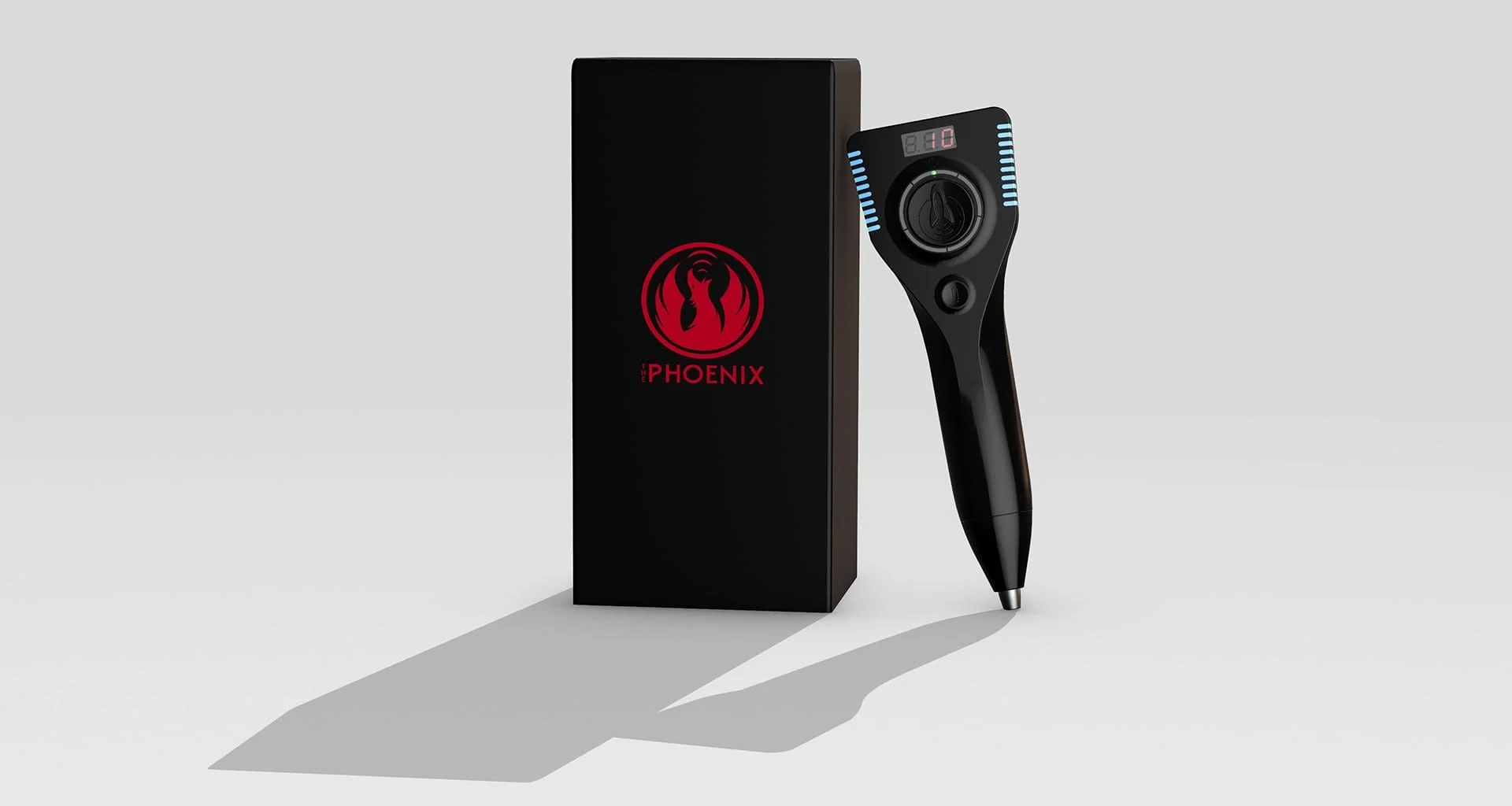
Shockwave (AKA GAINSWave) therapy utilizes advanced technology to treat ED, and the precise type of technology employed makes a significant difference. We use two kinds of shockwave devices in our clinic - “radial” and “focused”, both FDA-approved for musculoskeletal issues.
Whereas a radial device affects shallower tissue, the focused device is more powerful, penetrating deeper into the tissue. While both devices have literature that supports their use to treat ED, the focused shockwave device, with the support of the majority of the literature, creates a deeper and more intense response in the tissue - making it more effective at treating moderate to severe cases of ED.
What the Research Says
A study using ultrasound determined that, immediately following a series of shockwave treatments and even twelve months after completion, low-intensity shockwave improved blood flow - or hemodynamics - to the penis immediately following treatments. Patients reported improved blood flow even twelve months following treatments. Please visit our research page to view additional compelling literature in support of shockwave therapy to treat erectile dysfunction.
Low-intensity shockwave therapy can be synergistic with PRP treatments - i.e. the P-Shot. The most common application is a series of six shockwave treatments with two P-Shot treatments.
P-Shot
The Priapus Shot, or P-Shot, harnesses the power of platelet-rich plasma to give you improved erectile function; penile sensation, stamina, and health - as well as stronger, more frequent erections.
PRP was popularized in orthopedic medicine, specifically sports injuries, but can also be utilized for erectile dysfunction. The P-Shot involves separating out the growth factors in your own blood, and then re-injecting your super-charged plasma back into your body. The PRP mobilizes local stem cells, which accelerates tissue regeneration and the formation of new vascular networks. This results in increased blood flow to the penis and stronger, more reliable, and more frequent erections. This extremely safe procedure takes under an hour and patients feel little to no discomfort. Drugs or surgery aren’t required, and results last up to a year or longer. It is commonly combined with shockwave therapy for synergistic treatment.
Penis Pump (Vacuum Erection Device)
Our clinic often incorporates vacuum erection devices (VEDs) as part of a comprehensive strategy to improve erectile function and overall penile health. Regular, properly guided use of a penis pump gently draws oxygen-rich blood into the erectile chambers (the corpora cavernosa), helping maintain elasticity of the tissue and preventing fibrosis - a common cause of diminished erectile quality or shrinkage over time. By expanding and relaxing the penile tissue under mild, controlled negative pressure, the device encourages microvascular repair and may stimulate the formation of new capillaries. This repeated engorgement helps preserve (and in some cases improve) penile length and girth by keeping the erectile structures well-oxygenated and pliable.
Beyond its standalone benefits, VED therapy is particularly valuable as a complementary tool following regenerative treatments such as low-intensity shockwave therapy or platelet-rich plasma (P-Shot) injections. Using the device between sessions promotes consistent blood flow and maximizes tissue responsiveness, supporting the body’s natural healing and vascular remodeling processes.
For a deeper dive into evidence-based uses, visit our Penis Pumps for Erectile Dysfunction: Fact vs. Fiction blog post.
A Customized Treatment Plan FOR ED
In order to thoroughly assess each patient’s health and evaluate the root cause of ED, Kass Precision Medicine performs a careful evaluation in our Seattle clinic, taking into account many risk factors. This evaluation is typically based on common workups and patient evaluations - as well as a comprehensive lab that may include:
FREE AND TOTAL TESTOSTERONE LEVELS
LUTEINIZING HORMONE
THYROID - TSH, FREE T3, FREE T4, THYROID ANTIBODIES (FOR APPROPRIATE PATIENTS)
LIPID PANEL (CHOLESTEROL)
LPPLA2
HOMOCYSTEINE
HS-CRP
HGA1C
INSULIN
VITAMIN D
DHEA
CBC
CMP
PSA
B-12
FOLATE
MTHFR (FOR APPROPRIATE PATIENTS)
PREVENTATIVE SCREENING AND IMAGING
Additional labs may be chosen for appropriate patients with specific personal risk factors or family histories, including:
CARDIAC CALCIUM SCORE
CIMT (CAROTID INTIMA-MEDIA THICKNESS)
HOME SLEEP STUDIES
BODY COMPOSITION TESTING
The KPM team will devise a treatment plan at our Seattle clinic based on your specific needs that will likely involve several or all of these four approaches to solving impotence.