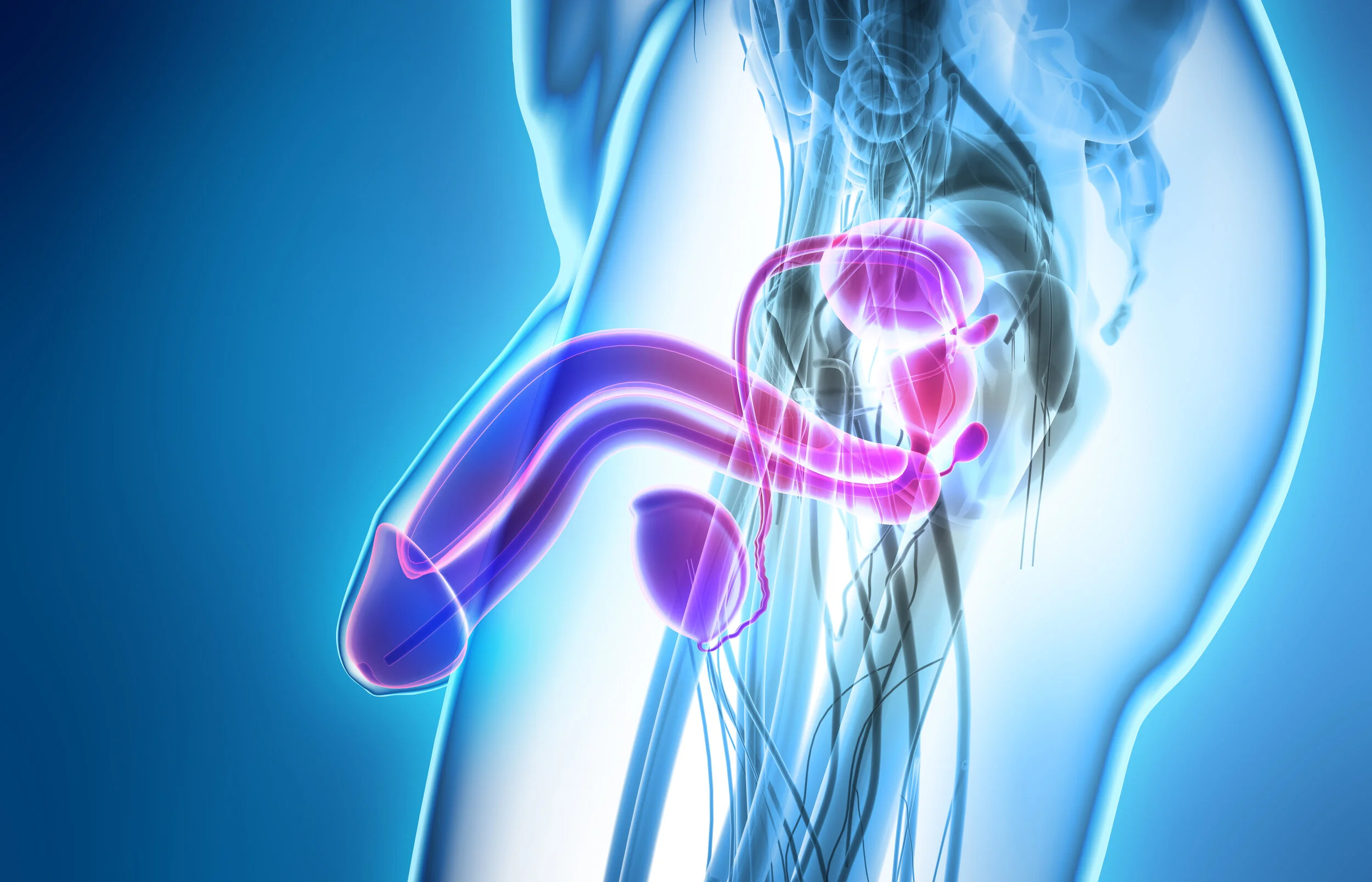
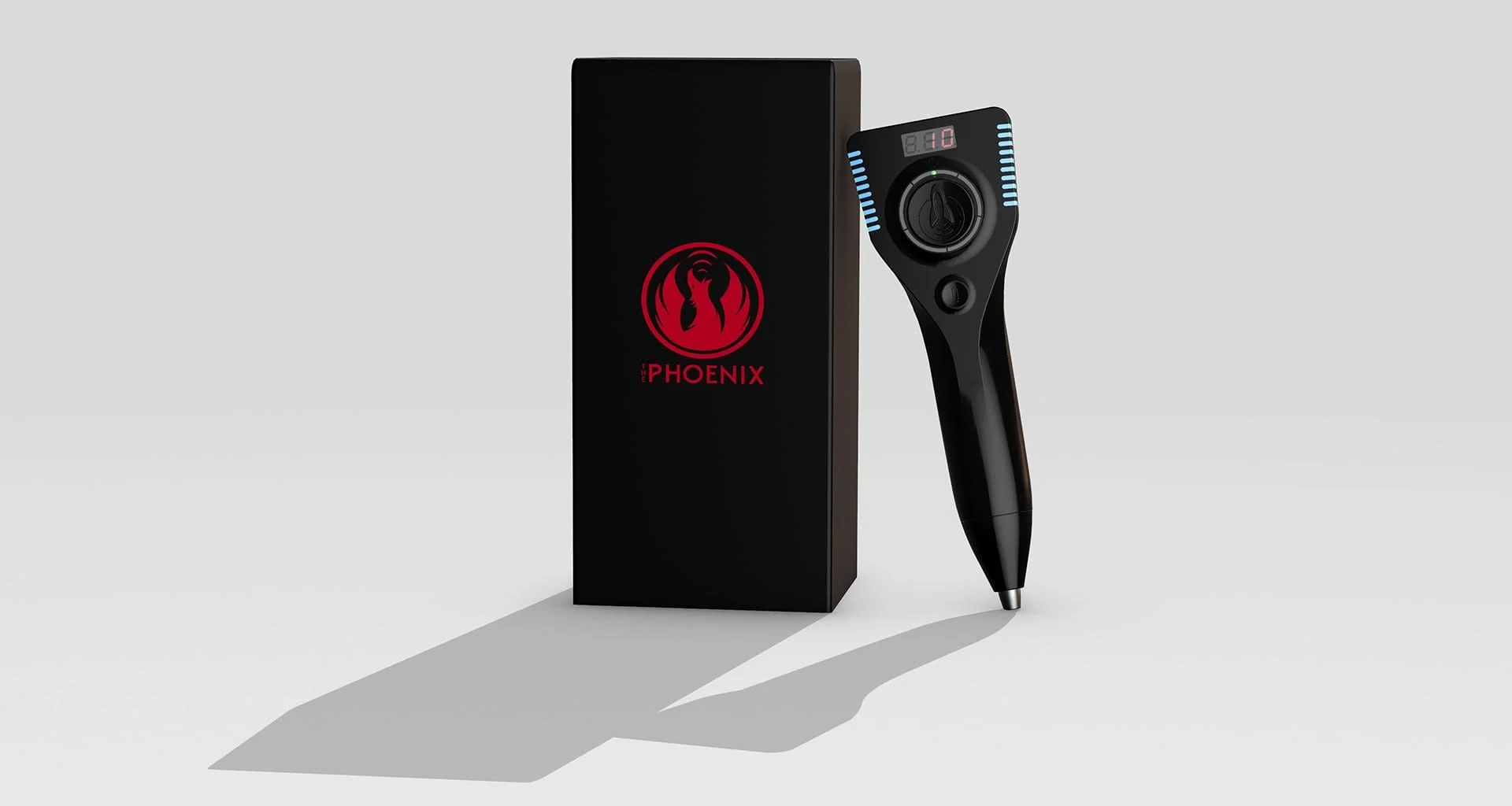
How Shockwave Therapy for ED Works
Low-intensity shockwave therapy (Li-ESWT), sometimes referred to under branded protocols such as GainsWave®, is a non-invasive treatment investigated for its potential effects on penile vascular physiology. Unlike medications that produce short-term hemodynamic changes, shockwave therapy is designed to interact with tissue-level biological processes associated with blood flow and microvascular function.
Understanding how this therapy works requires a brief review of erection physiology.
Erectile Function Is Fundamentally a Vascular Event
A penile erection depends on a coordinated vascular response involving:
Arterial inflow into erectile tissue
Endothelial signaling and nitric oxide pathways
Relaxation of smooth muscle within the corpora cavernosa
Adequate microcirculatory integrity
In many men, erectile dysfunction is linked to vasculogenic mechanisms, meaning reduced efficiency of blood delivery or impaired vascular responsiveness rather than a structural or hormonal failure alone. Age-related endothelial changes, cardiometabolic factors, and microvascular alterations are common contributors.

What Is Low-Intensity Shockwave Therapy?
Low-intensity shockwave therapy uses controlled acoustic waves delivered externally to targeted tissue. These waves are mechanical, not electrical, and are applied at energy levels distinct from those used for lithotripsy or orthopedic indications.
The therapy does not create heat or tissue destruction. Instead, it produces transient mechanical stress within the tissue — a stimulus believed to influence cellular signaling pathways.
You can learn more on our What is Shockwave Therapy page.
Mechanotransduction: The Central Biological Concept
The primary theoretical mechanism behind shockwave therapy is mechanotransduction - the process by which cells convert mechanical stimuli into biochemical signals.
When acoustic waves pass through tissue, they generate:
Rapid pressure fluctuations
Micro-mechanical stress
Cellular membrane deformation
These physical effects are believed to trigger intracellular signaling cascades involved in vascular and endothelial biology.
How Shockwave Therapy Differs from Pharmacologic Treatments
Oral erectile dysfunction medications primarily act on cyclic GMP pathways to produce short-term smooth muscle relaxation and increased blood inflow. Their effects are pharmacodynamic and temporary.
Shockwave therapy, by contrast, is intended to:
Provide a localized mechanical stimulus
Engage endogenous cellular signaling pathways
Potentially influence vascular responsiveness over time
For this reason, treatment responses - when present - typically develop gradually rather than immediately.
You can learn more on our blog post about oral and injectable treatments.
Shockwave Therapy’s Biological Effects in Erectile Tissue
Preclinical and clinical studies suggest low-intensity shockwave therapy may influence processes such as:
Angiogenic signaling - Mechanical stimulation may upregulate pathways associated with vascular growth factors (e.g., VEGF-related activity).
Endothelial function - Endothelial cells, central to nitric oxide regulation and vascular tone, may respond to mechanical stimuli.
Microvascular remodeling - Shockwave therapy is hypothesized to support adaptations within the small blood vessel network responsible for tissue perfusion.
Hemodynamic changes - Alterations in penile blood flow dynamics have been observed in certain studies using Doppler assessment.
Importantly, these mechanisms remain areas of active research rather than settled conclusions.
Investigational but Scientifically Grounded
Low-intensity shockwave therapy for erectile dysfunction is considered investigational in the United States. While devices may have FDA clearance for other indications, their application in ED represents an alternative use supported by a growing but evolving body of literature.
Clinical studies have reported variable improvements in erectile function measures, particularly in men with vasculogenic ED, alongside generally favorable tolerability profiles.
Clinical Perspective
Because erectile dysfunction arises from multiple mechanisms, shockwave therapy is not universally appropriate. Patient selection, underlying vascular status, and overall health factors influence outcomes.
A comprehensive evaluation helps determine whether this modality may be reasonable as:
A primary non-pharmacologic strategy
A complement to existing treatments
Part of a broader vascular-focused approach